- 最新消息 / NEW
最新消息 / NEW
2026.03.02
Taiwan–Japan Reservoir Flood Control and Sediment Management Technologies and Operational Experience Sharing Session
In response to the challenges of extreme rainfall induced by global climate change, reservoir flood control and stable water supply have become resilience issues of transnational concern. The Department of Civil Engineering of National Chung Hsing University, in collaboration with the Sinotech Foundation for Research and Development of Engineering Sciences and Technologies, Sinotech Engineering Consultants, and the Ecological Engineering Research Center of National Taiwan University, held the “Taiwan–Japan Reservoir Flood Control and Sediment Management Technologies and Operational Experience Sharing Session” from February 23 to 27, inviting preeminent experts from Japan’s water resources and power sectors to Taiwan. The five-day in-depth experience sharing successfully concluded recently, promoting technical complementarity between the two countries in the sustainable management of water resources.
Taiwan’s geological conditions are delicate, with rivers featuring steep slopes and swift currents. Typhoons and heavy rains often cause large amounts of sediment and driftwood to flow into reservoirs. Surveys show that major reservoirs like Shihmen, Tsengwen, and Wushe have sedimentation levels generally over 30%, significantly jeopardizing flood control and water supply stability. Similar to Taiwan, Japan, with a mountainous terrain and frequent wind and flood disasters, has accumulated systematic experience in reservoir sediment management. This session specifically focused on Japan’s mature “Sediment Bypass Tunnel (SBT)” technology”, flood season “clearwater storage and turbid water discharge” operations, and integrated water–sediment management strategies. Taiwan and Japan share significant similarities in engineering constraints and governance needs. Japan’s practical experience with the concurrent implementation of hydropower generation and flood control offers valuable reference for Taiwan’s water resource allocation and the extension of reservoir lifespan.
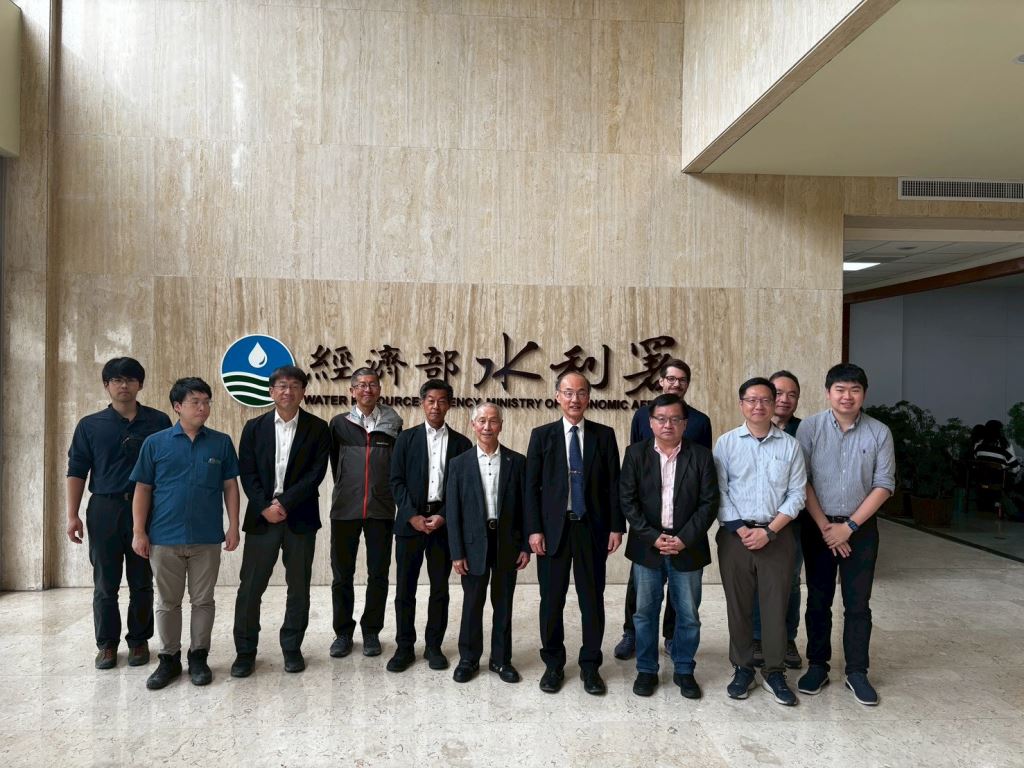
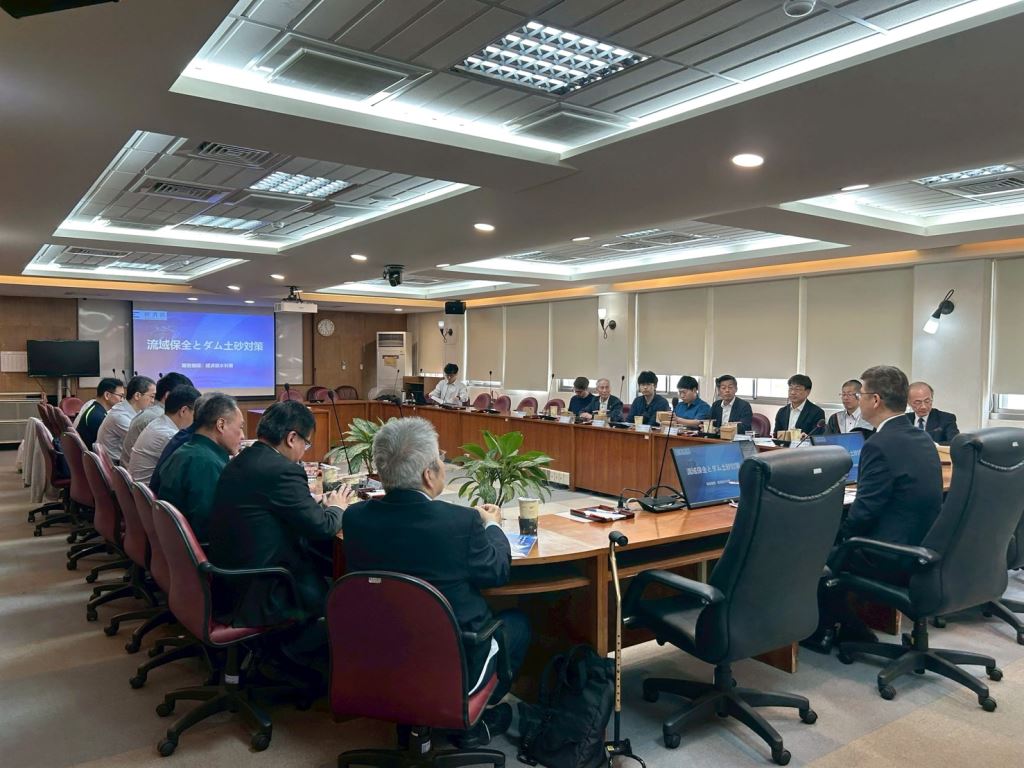
Practical Exchange on Flood Control and Sediment Management with the Water Resources Agency
The Japanese exchange delegation was led by Professor Tetsuya Sumi of Kyoto University, with members comprising experts from organizations including Kansai Electric Power Company, J-Power, and Kyushu Electric Power Company. On the Taiwan side, representatives from National Chung Hsing University, National Taiwan University, Feng Chia University, the Water Resources Agency, Taiwan Power Company, and Sinotech Engineering Consultants jointly participated, forming a cross-disciplinary technical exchange platform integrating industry, government, and academia. During the session, Professor Tetsuya Sumi delivered a keynote lecture at National Chung Hsing University entitled “Challenges and Future Directions of Reservoir Sedimentation Management in Japan.” Drawing upon long-term monitoring data and practical case studies, he shared Japan’s systematic approach to reservoir governance and its future research and development directions. This lecture was open to junior undergraduate students of the Department of Civil Engineering at National Chung Hsing University. By engaging closely with internationally renowned scholars, students linked classroom theories to international engineering trends. This experience enhanced their professional knowledge and expanded their understanding of the future roles and responsibilities in water resources engineering.
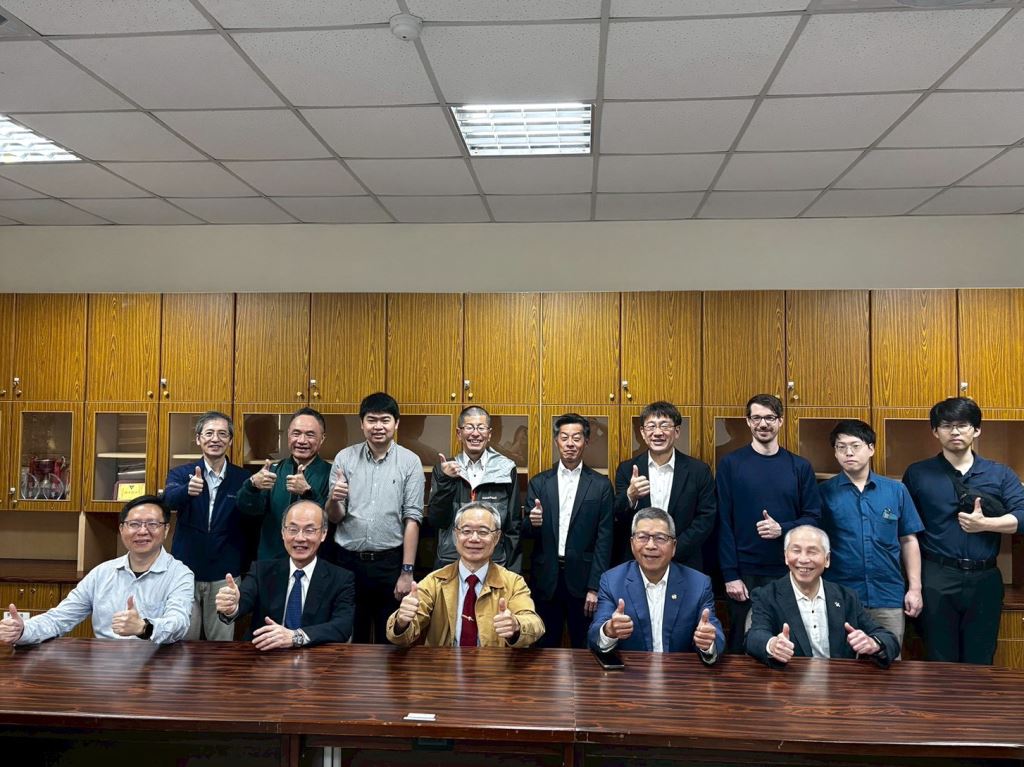
Academic Exchange at National Chung Hsing University
In addition to academic seminars, the exchange delegation also conducted on-site visits to several key water resources facilities, including the Wushe Reservoir sediment bypass tunnel, the downstream riverbed stabilization works at Shigang Dam, the Daan–Dajia Integrated Water Resources Utilization Project, and the sediment discharge facilities at Shimen Reservoir. Through field observation and discussions on operational models, both sides directly compared differences among reservoirs in sediment discharge design, operational timing, and effectiveness evaluation, thereby deepening understanding of localized technological applications.
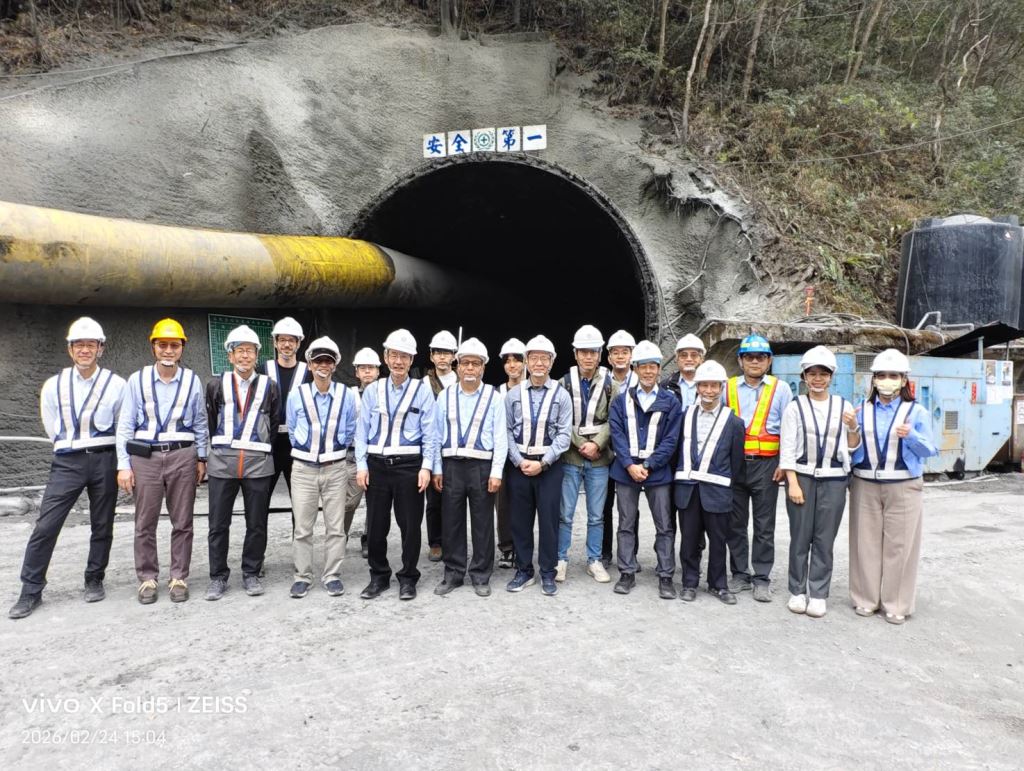
Site Visit to the Wushe Sediment Control Tunnel Project
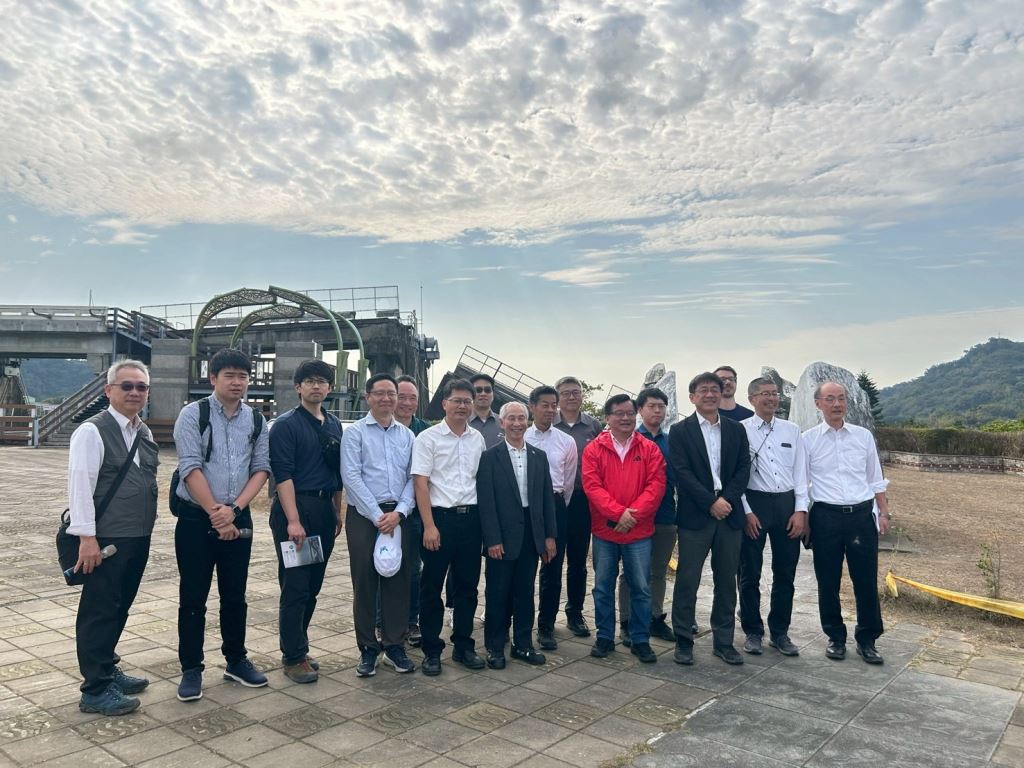
Technical Exchange and Site Visit on Shigang Dam Operations and Water Resource Allocation
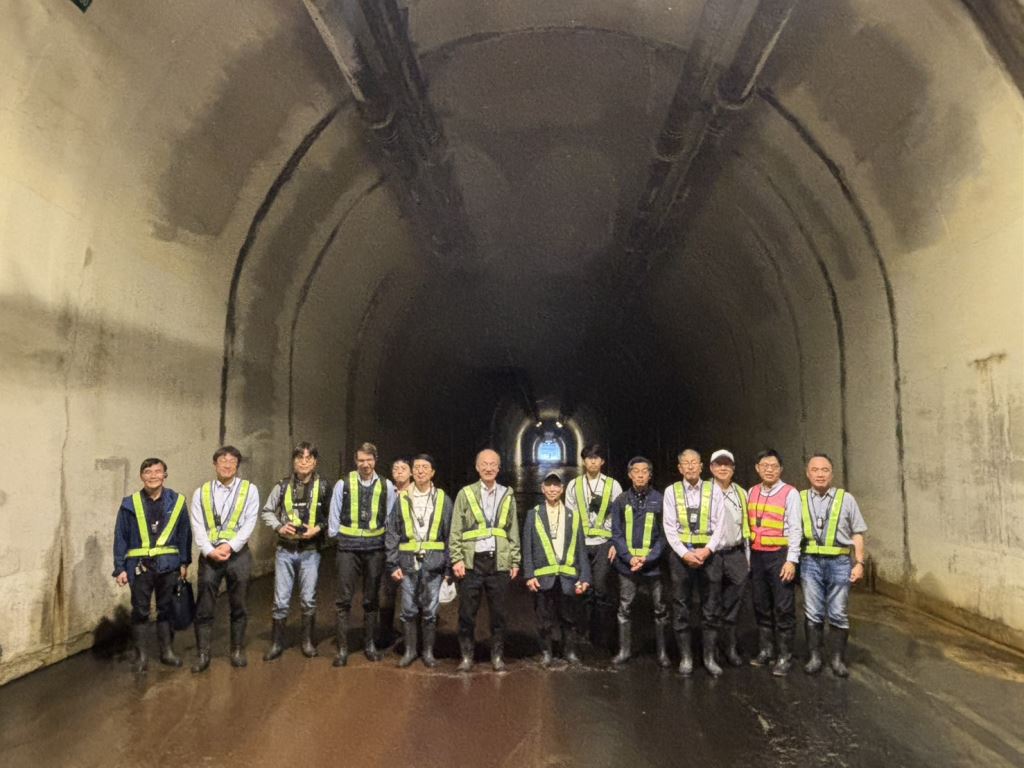
Tour in Amuping Sediment Bypass Tunnel
This event not only delivered substantial outcomes in the professional domain but also strengthened the friendship between Taiwan and Japan in disaster prevention governance and engineering culture, as the two sides jointly face long-term challenges in global water resources management. Looking ahead, joint research projects and technical trials will be further promoted to comprehensively enhance the operational resilience of Taiwan’s reservoirs under extreme climate conditions.